
Families Together Foster Care
A New Approach to Foster Care
Decreasing the length of time children spend in foster care while strengthening opportunities for children and families to thrive is the goal of Families Together, an evidence-based pilot program that Lutheran Social Services of Illinois (LSSI) has launched in partnership with the Illinois Department of Children and Family Services (DCFS).
The ramp-up phase of Families Together started in October 2022 with the program moving into full implementation in 2024. The program is delivered through LSSI’s Chicago office with three foster care teams. The Families Together goal is to have six teams serving 240 families in LSSI’s Chicago office by the pilot’s end, before launching the program statewide.
On average in Illinois, children spend 35 months in foster care. Families Together aims to shorten the length of stay for children in foster care and to return them home to their family within 12 months. In cases where children cannot be safely returned to their parents, the pilot’s goal would be adoption or guardianship within 24 months.
Many extenuating issues contribute to this long timeframe, including lack of referral services and resources for children and families (counseling or alcohol treatment for a biological parent, etc.), the local juvenile court, staff turnover, and a shortage of foster families and the supports they need.
When a family becomes involved in the child welfare system, a child can experience multiple moves, which disrupts attachments and increases trauma. The Families Together program seeks to avoid this issue by blending expert case coordination, behavioral health interventions, and evidence-based interventions.
Families Together guides the parents, both biological and foster, to gain the skills, resources, and support needed to provide positive, effective parenting that allows the child to heal and grow with their permanent families.
Meet Our Foster Parents
Families Together Goals and Training
- Fewer families and youth advancing in the foster care system and needing a higher level of care outside of a traditional foster home
- Quicker response to concerns to avoid cases escalating in the system
- Reinforcing feelings of success among staff serving the children and families
The Families Together Team is assigned to the child, biological parent, and foster parent. With this strategic, evidence-based model, team members are trained to assess quickly and intervene appropriately.
The Case Coordination Team meets weekly to provide all parts of the family unit—children, birth parents, and foster parents—with individualized assessment, training, and support.

The Families Together Team
Families Together differs from the current process in which one caseworker oversees the combined needs of the foster parent, youth in care, and the biological parent. In this program, in addition to the Case Coordinator, the Families Together Team includes the following child welfare professionals:
Child Specialists
Child Specialists explain in age-appropriate language to children in care what has happened and what they can expect. They support the child in their foster home placement and assess and reinforce the child’s physical needs and well-being.
Foster Parent Specialists
Foster Parent Specialists guide the foster family through the new placement to ensure routine, rules, and structure. They advise on problem-solving skills and ensure material and emotional needs for children in foster care are met.
Parent Specialists
Parent Specialists support the biological parent(s) while their child is in foster care, helping to address the issues that brought the family into care, build a stronger ecosystem, and ensure liberal visits and contact between the child and parent(s).

The Families Together Approach
- Keeping Foster and Kin Parents Supported and Trained (KEEP) is a support and skill enhancement education program for foster and kinship parents that provides training on parenting practices and behavior management skills to support foster parents.
- GenPMTO (Parent Management Training Oregon): Based on 50+ years of ongoing research, this parent training model promotes social skills and prevents, reduces, and reverses the development of moderate to severe conduct problems in children and youth.
- Trauma Focused-Cognitive Behavioral Therapy (TF-CBT): This therapy resolves a broad array of emotional and behavioral difficulties associated with trauma experiences.
If you’re interested in becoming a foster parent with this program click here.
Foster Care at LSSI
Watch a brief video about one foster parent’s experience at LSSI.
Latest LSSI Foster News

Expanding a Family through Love and Foster Care
Meet Oscar and Kaylee Gordon, LSSI foster parents in southern Illinois, pictured with their...
Bernice’s Big Heart
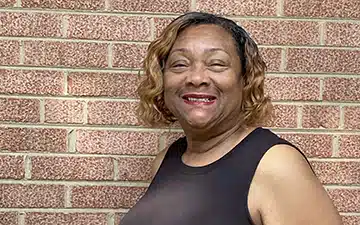
Meet Bernice, an LSSI foster parent and superhero. Bernice began fostering in 1995 and has...

Books Brighten Children’s Christmas
In Dixon, IL, Carolyn Chin and her late husband, Larry Dunphy, cofounded Books on First in 1998, a...

A Foster Care Family Affair in Northern Illinois
Solange and her husband, who live in Northern Illinois, had five biological children when they...